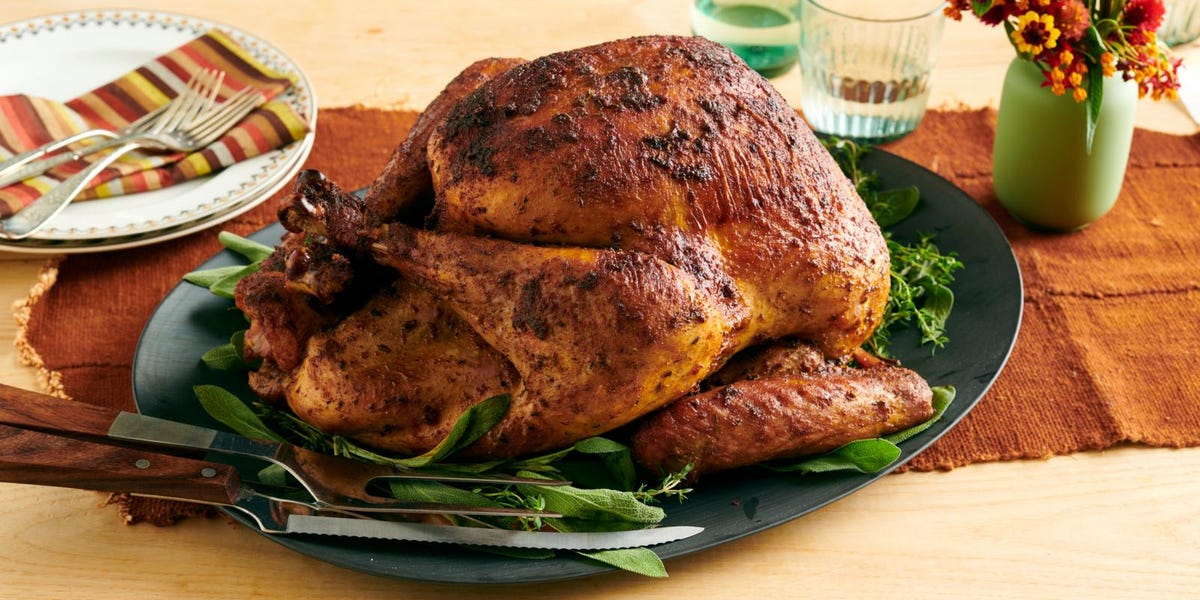
Master the Dry Brine: Juicy, Crispy Roast Turkey Every Time
The quest for the perfect roast turkey often feels like chasing a culinary unicorn: a bird with succulent, moist breast meat and impossibly crisp, golden-brown skin. All too often, we settle for dry, stringy breast and rubbery skin, despite our best efforts. But what if there was a simple, transformative technique that promised both? Enter the dry brined roast turkey – a method so effective, it will revolutionize your holiday cooking and make you a true turkey master.
Forget the sprawling coolers and gallon after gallon of salty water associated with wet brining. Dry brining is elegant, efficient, and delivers superior results where it matters most: flavor, texture, and that coveted crispy skin. If you've ever wondered how to achieve a turkey that's bursting with flavor from the inside out and boasts a skin so crackling it could win awards, then understanding the dry brine is your essential first step. It's time to unlock the true potential of your holiday centerpiece and impress even the most discerning palates.
Why Dry Brining is Your Secret Weapon for Roast Turkey
At its core, dry brining is simply salting the turkey in advance. But don't let its simplicity fool you; the science behind its magic is profound, leading to a truly superior dry brined roast turkey.
- The Science of Succulence: When salt is applied to the turkey, osmosis draws moisture out from the cells. The salt then dissolves in this moisture, creating a highly concentrated brine on the surface of the meat. Over time, this seasoned liquid is reabsorbed back into the turkey, carrying the salt deep into the muscle fibers. This process denatures the proteins, causing them to unwind and then re-coil in a way that allows them to hold onto moisture more effectively during cooking. The result? Incredibly juicy meat, especially in the often-dry breast.
- Unbeatable Crispy Skin: This is where dry brining truly shines over its wet counterpart. By allowing the salted turkey to sit uncovered in the refrigerator for days, the surface of the skin dries out significantly. This lack of surface moisture is critical for developing that shatteringly crisp, golden-brown skin we all crave. Wet brining, by contrast, saturates the skin with moisture, making it much harder to crisp up properly during roasting. As we explored in Skip the Soak: Why Dry Brining Beats Wet for Juicy Turkey, the contrast in skin texture is undeniable.
- Enhanced Flavor Penetration: Beyond just moisture retention, the salt acts as a flavor carrier. As it penetrates the meat, it draws any added herbs, spices, or aromatics along with it, ensuring the flavor isn't just on the surface but integrated into every bite. This means less need for heavy seasoning right before roasting, as the turkey is already seasoned from within.
- Simplicity and Convenience: Compared to managing a large, messy wet brine, dry brining is incredibly user-friendly. No need for special equipment, huge buckets, or wrestling a slippery bird into a crowded refrigerator. Just a baking sheet, a wire rack, and your turkey.
Your Step-by-Step Guide to a Perfectly Dry Brined Roast Turkey
Achieving a show-stopping dry brined roast turkey is surprisingly straightforward. Follow these steps for success:
- Thaw and Prep the Turkey:
- Thawing: Ensure your turkey is completely thawed. This typically takes 24 hours per 4-5 pounds in the refrigerator. Do not rush this step.
- Remove Giblets: Take out the giblet bag and neck from both cavities. Save them for gravy if desired.
- Pat Dry, Thoroughly: This is critical! Use paper towels to pat the entire turkey, inside and out, until it's as dry as possible. Any residual moisture on the skin will hinder the brining process and crispiness.
- Craft Your Brining Blend:
- The Essentials: For a basic dry brine, you only need kosher salt (not table salt, which is too fine and can over-salt). A good rule of thumb is about 1 tablespoon of kosher salt per 4-5 pounds of turkey.
- Optional Aromatics: Elevate the flavor by adding black pepper, garlic powder, onion powder, dried herbs (thyme, rosemary, sage), or even a little citrus zest (lemon or orange). Mix these thoroughly with your salt. For a deeper dive into these additions, check out Unlock Flavor: The Secret to Perfect Dry Brined Roast Turkey.
- Apply the Brine:
- Even Coating: Place the turkey on a wire rack set over a baking sheet (to catch any drips). Liberally sprinkle your salt mixture over the entire surface of the turkey.
- Under the Skin: Gently separate the skin from the breast meat and thigh meat, being careful not to tear it. Rub some of the brine directly onto the meat underneath the skin. This ensures flavor penetrates deeply into the thickest parts.
- Inside the Cavity: Don't forget to rub a bit of the salt mixture inside the main cavity as well.
- Massage: Lightly massage the turkey to ensure the salt adheres well and is evenly distributed.
- The Waiting Game (Refrigeration):
- Uncovered: Place the turkey, still on its wire rack and baking sheet, uncovered in the refrigerator. This allows the skin to air-dry, which is crucial for crispiness.
- Time: Brine for at least 24 hours, and ideally 48-72 hours for larger birds (15+ pounds). The longer the brine, the deeper the flavor penetration and the drier the skin will become.
- Observation: You'll notice the skin becoming noticeably taut and papery after a day or two. This is exactly what you want!
Roasting Your Dry Brined Masterpiece for Optimal Results
Once your turkey has been perfectly dry brined, the roasting process itself is key to achieving that golden, juicy perfection.
- Pre-Roast Preparation:
- Bring to Temperature: Remove the turkey from the refrigerator 1-2 hours before roasting to allow it to come closer to room temperature. This promotes more even cooking.
- Optional Fat Rub: If desired, you can rub a thin layer of softened butter or olive oil over the skin just before roasting for extra browning and flavor.
- Aromatics for the Cavity: Stuff the turkey cavity with aromatics like halved onions, lemons, garlic cloves, and fresh herbs (rosemary, thyme, sage). Do not stuff with bread-based stuffing at this stage; this is for flavor, not for eating from the cavity.
- Truss (Optional but Recommended): Tie the legs together with kitchen twine and tuck the wing tips under the body. This helps the turkey cook more evenly and makes for a more attractive presentation.
- The Roasting Process:
- Preheat Oven: Preheat your oven to a high temperature, around 425°F (220°C).
- Initial High Heat: Roast the turkey at this high temperature for the first 30-45 minutes. This helps to achieve that initial crisping and browning of the skin.
- Lower Temperature: Reduce the oven temperature to 325°F (160°C) for the remainder of the cooking time.
- Monitor Temperature: The most crucial tool for a perfectly cooked dry brined roast turkey is a reliable meat thermometer. Insert it into the thickest part of the thigh, avoiding the bone. Your target internal temperature is 165°F (74°C). The breast meat is often done a bit earlier, around 160°F (71°C), and will carry over to 165°F during resting.
- Basting (or Not): With a dry brined turkey, basting is often unnecessary and can actually hinder crisping the skin. If you feel compelled to baste, do so sparingly and quickly.
- Tent if Browning Too Quickly: If the skin is browning too much before the turkey is cooked through, loosely tent it with aluminum foil.
- The Crucial Rest:
- Remove and Rest: Once the turkey reaches its target temperature, remove it from the oven. Tent it loosely with foil and let it rest on a carving board for at least 20-30 minutes (or even longer for larger birds).
- Why Rest? Resting allows the juices within the meat to redistribute throughout the turkey, resulting in a more moist and tender final product. Cutting into it too soon will cause all those precious juices to run out.
Troubleshooting and Expert Tips for Your Dry Brined Roast Turkey
- Don't Rinse After Brining: It's tempting to rinse the salt off before roasting, but don't! You'll wash away flavor and add unnecessary moisture back to the skin, undoing all your hard work.
- Season with Care: Remember, your turkey is already seasoned internally. Go easy on adding extra salt to rubs or gravies after roasting. Taste as you go!
- For Extra Crispy Skin: If the skin still feels slightly damp after brining, give it one final, gentle pat-down with paper towels just before it goes into the oven.
- Carving Like a Pro: Use a sharp carving knife and understand the turkey's anatomy. Separate the legs and thighs, then carve the breast meat against the grain for maximum tenderness.
Embracing the dry brine method for your roast turkey isn't just a technique; it's a commitment to culinary excellence. It’s a simple shift that yields dramatic, mouth-watering results. Say goodbye to bland, dry meat and hello to a show-stopping centerpiece that is consistently juicy, incredibly flavorful, and adorned with the crispiest skin imaginable. This holiday season, make the smart choice, master the dry brine, and prepare to delight your guests with the best dry brined roast turkey they've ever tasted.
