Say Goodbye to Soggy: Why Dry Brining is Your Turkey's Best Friend
For generations, the quest for a perfectly juicy and flavorful roast turkey has been a holiday obsession. Many have turned to wet brining, submerging their bird in a seasoned saltwater solution, hoping to achieve that coveted moistness. While wet brining can add moisture, it often comes at the cost of diluted flavor and notoriously soggy skin. It's time to skip the soak and embrace the superior method for an unbelievably tender and flavorful bird: dry brining. When done right, a dry brined roast turkey delivers an unparalleled combination of crispy skin and succulent, seasoned meat that will make you wonder why you ever did it any other way.The Pitfalls of the Pail: Why Wet Brining Often Misses the Mark
Wet brining, at its core, involves soaking your turkey in a liquid solution, typically water, salt, sugar, and various aromatics. The theory is that the turkey absorbs the brining liquid, making it juicier. While the turkey does indeed absorb moisture, there are several significant downsides to this approach:- Diluted Flavor: The primary liquid in a wet brine is water. As the turkey absorbs this water, its natural, inherent turkey flavor becomes diluted. You end up with aisture-rich but ultimately bland bird, requiring more seasoning after roasting to compensate.
- Soggy Skin: A wet brined turkey is saturated with water, making it incredibly difficult to achieve that desirable, crackling crispy skin. The moisture on the surface has to evaporate before the skin can begin to crisp, often leading to a rubbery or tough texture.
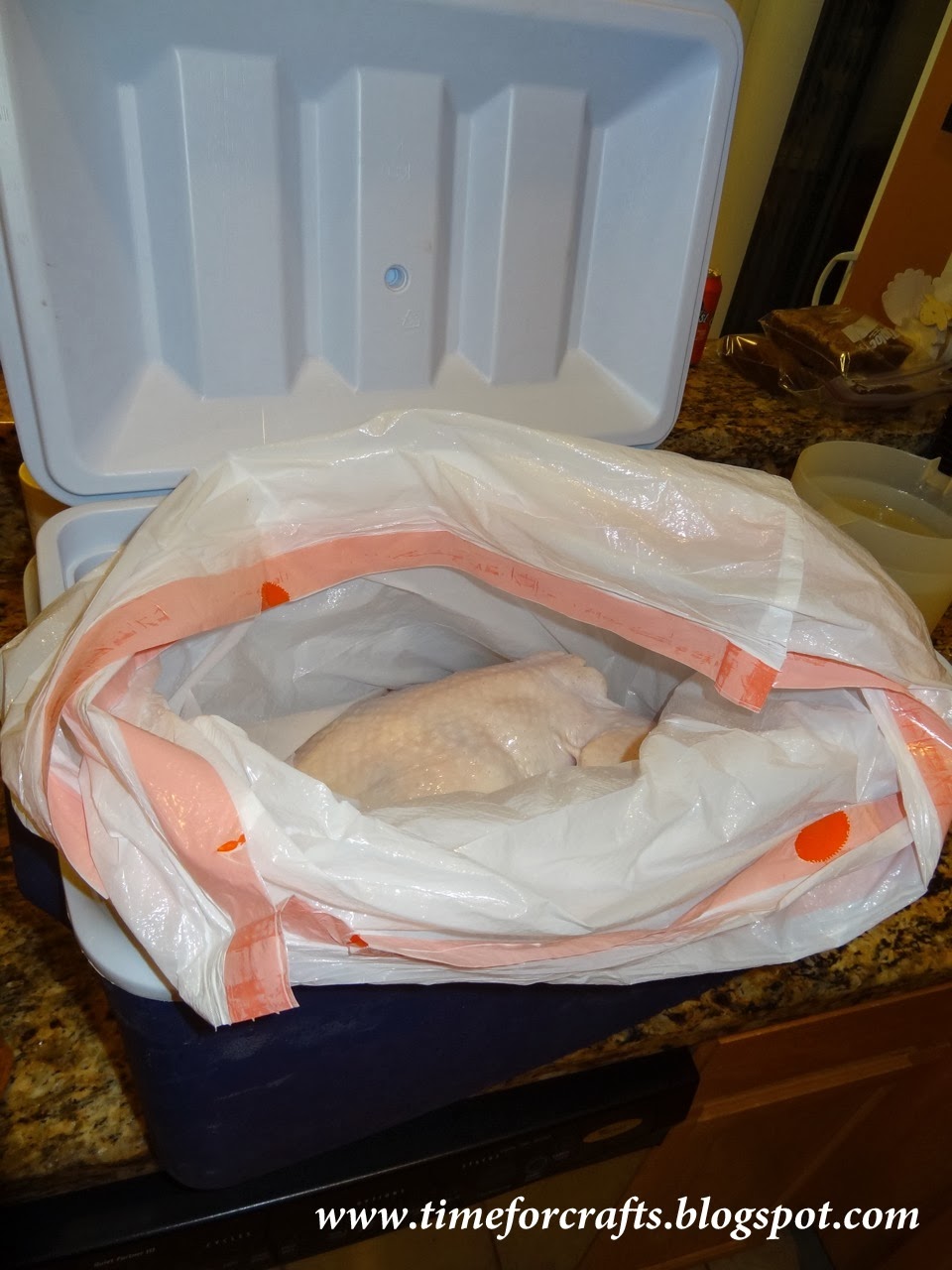
- Logistical Nightmare: Finding a container large enough to submerge a whole turkey, keeping it adequately chilled for days, and dealing with potential spills makes wet brining a messy and cumbersome process.
- "False" Juiciness: While a wet-brined turkey might feel juicy, much of that juiciness comes from added water, not concentrated, flavorful turkey juices. When you carve it, the water often runs out, leaving you with less flavorful meat.
The Science of Succulence: How Dry Brining Transforms Your Turkey
Dry brining might sound counter-intuitive – adding salt directly to the turkey – but it's a culinary masterpiece rooted in basic science. Unlike wet brining, which floods the bird with external moisture, dry brining works from the inside out, concentrating and enhancing the turkey's natural flavors. Here's the magic behind it:- Initial Moisture Extraction: When you apply salt to the surface of the turkey, a process called osmosis begins. The salt draws moisture out of the turkey's meat. This initial moisture combines with the salt to form a highly concentrated brine right on the surface of the bird.
- Flavor Reabsorption and Protein Transformation: Over time (usually 24-72 hours), the concentrated saltwater solution is reabsorbed into the turkey's muscle fibers. This isn't just plain water being reabsorbed; it's *seasoned* moisture, carrying the salt deep into the meat. The salt also denatures the proteins in the turkey's muscles, causing them to unravel. This structural change helps the muscle fibers retain more moisture during cooking, preventing them from seizing up and becoming tough.
- Concentrated Flavor: Because no external water is introduced, the turkey's natural flavors aren't diluted. Instead, they become more concentrated and pronounced, resulting in a deeper, richer taste.
- The Secret to Crispy Skin: A crucial benefit of dry brining is its effect on the skin. By drawing out moisture and allowing the turkey to sit uncovered in the refrigerator, the skin dries out significantly. This lack of surface moisture is the absolute key to achieving that coveted, shattering crispy skin when the turkey hits the hot oven.
Practical Advantages and How-To Tips for Your Best Turkey Yet
Beyond the scientific superiority, dry brining offers numerous practical advantages that make it the preferred method for home cooks:- Simplicity and Cleanliness: No enormous coolers, no overflowing bags of brine, and no struggling to lift a heavy, sloshing bird. Dry brining is remarkably clean and straightforward.
- Space-Saving: A dry-brined turkey fits neatly on a baking sheet in your refrigerator, taking up far less space than a bucket of wet brine.
- Superior Texture: Consistently delivers both incredibly juicy meat and irresistibly crispy skin, a combination that's difficult to achieve with wet brining.
- Enhanced, Undiluted Flavor: The natural turkey flavor is amplified, not watered down, leading to a much more satisfying eating experience.
Applying the Dry Brine: A Simple Formula
- Choose Your Salt: Use kosher salt (not table salt, which is finer and saltier by volume). A good starting point is about ½ teaspoon of kosher salt per pound of turkey. For a 12-15 pound turkey, you'll need about 6-7.5 teaspoons (or 2-2.5 tablespoons).
- Preparation: Remove the giblets from the turkey cavity. Pat the turkey thoroughly dry with paper towels, inside and out. This step is critical for crispy skin.
- Salt Application: Sprinkle the salt evenly all over the turkey, including the underside and inside the cavity. For an extra boost of flavor and juiciness, gently separate the skin from the breast meat and rub salt directly onto the meat. You can also add other seasonings like black pepper, garlic powder, onion powder, or dried herbs (thyme, sage, rosemary) at this stage.
The Brining Period: Patience is a Virtue
- Refrigerate Uncovered: Place the seasoned turkey on a wire rack set over a baking sheet (to catch any drips). Refrigerate uncovered for 24 to 72 hours.
- Why Uncovered? Leaving the turkey uncovered allows the skin to dry out, which is essential for maximum crispiness during roasting.
- Longer is Better (to a point): A 24-hour brine is good, but 48-72 hours is even better, allowing the salt to penetrate deeper and tenderize the meat more effectively.
Roasting Your Dry-Brined Masterpiece
On roasting day, there’s no need to rinse the turkey. Simply pat it dry one last time if there’s any remaining surface moisture. Your turkey is now perfectly prepped for roasting. For a step-by-step guide on mastering this technique from start to finish, see Master the Dry Brine: Juicy, Crispy Roast Turkey Every Time. Roast your dry brined roast turkey according to your preferred method, keeping an eye on internal temperature (165°F in the thickest part of the thigh, without touching bone). Don't forget to let it rest for at least 20-30 minutes before carving to allow the juices to redistribute.
